
Why U.S. remote workers choose Madrid
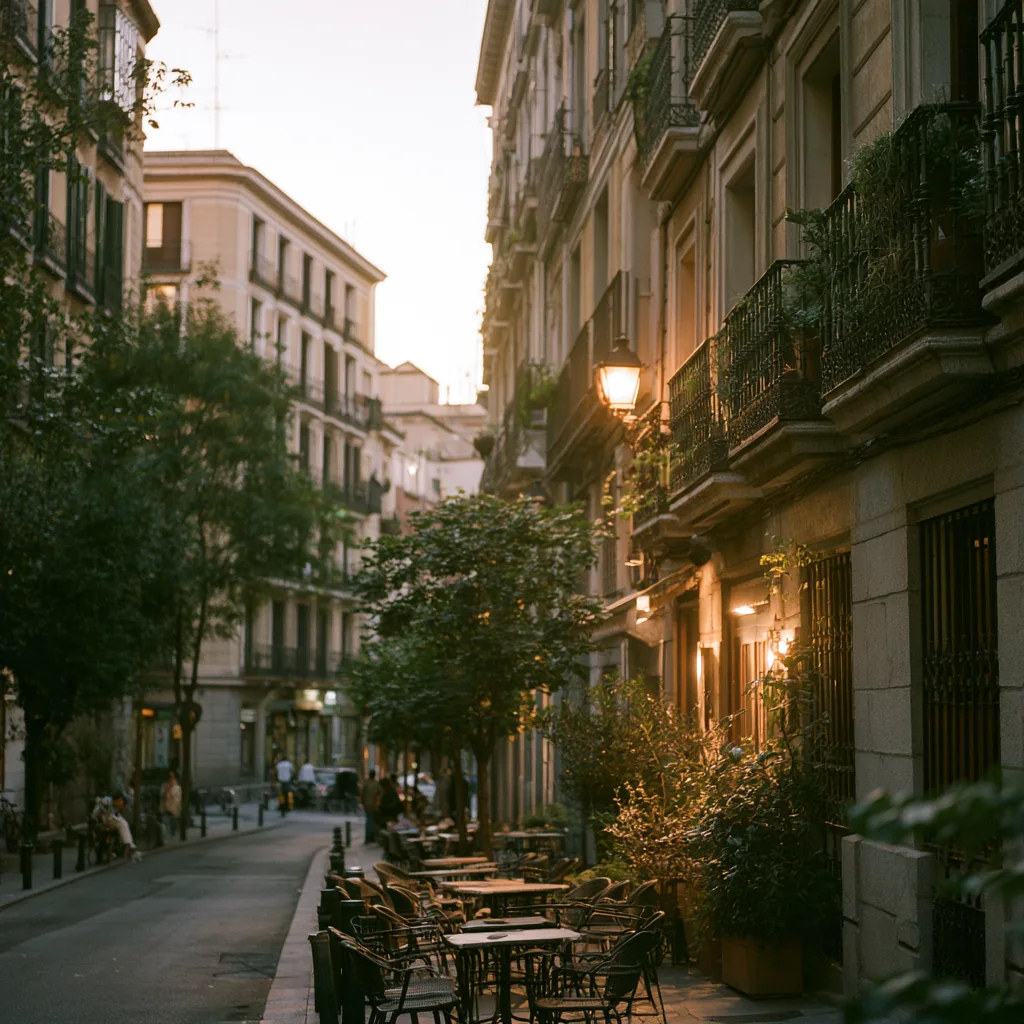
Madrid rewards people who want to live like locals. It is not a tourist city in the way Barcelona is. It is a working capital of 3.4 million people going about their lives. The cultural depth is extraordinary: the Prado, the Reina Sofía, the Thyssen, and hundreds of smaller museums and galleries. The food scene is excellent at every price point. The parks (Retiro, Casa de Campo, Parque del Oeste) give the city breathing room that surprises people who expect a dense urban grid.
For language learners, Madrid is the best city in Spain. The Castilian spoken here is considered the clearest and most neutral in the Spanish-speaking world. No regional language complications. If learning Spanish properly is part of why you are moving, Madrid accelerates that.
For families: the American School of Madrid and several British-curriculum schools serve the international community. Public school enrollment is Spanish-medium. The city has excellent children’s infrastructure (parks, playgrounds, pediatric healthcare) at a density that rivals any European capital.
Neighborhoods
Malasaña
Creative / NightlifeMadrid’s bohemian epicenter: independent bars, vintage shops, creative professionals. Dense and lively. Popular with younger remote workers and couples.
€1,100–€1,600 / monthChueca
Vibrant / LGBTQ+Adjacent to Malasaña, vibrant and central, excellent restaurant and bar scene. Similar rents and energy. Very walkable, excellent transit connections.
€1,100–€1,700 / monthLavapiés
Multicultural / AffordableThe most multicultural neighborhood in Madrid. Strong community character, excellent cheap food, art scene. Gentrifying but still affordable relative to center.
€900–€1,400 / monthChamberí
Professional / FamilyQuieter, residential, well-connected. Popular with professionals and families who want central access without bustle. Good schools nearby.
€1,200–€1,800 / monthSalamanca
Upscale / QuietHigh-end shopping, quieter streets, very safe. The most expensive district in Madrid. Popular with families who want space, calm, and walking distance to quality schools.
€1,500–€2,400 / monthArganzuela / Legazpi
Value / ImprovingSouth of center, cheaper, improving rapidly. Good metro connections. Popular with people who want more space for the money. 10 minutes to the center by metro.
€900–€1,300 / monthCarabanchel
Authentic / BudgetA properly local neighborhood with lower rents and improving infrastructure. Increasingly popular with the young creative class who can’t afford Malasaña anymore.
€750–€1,100 / month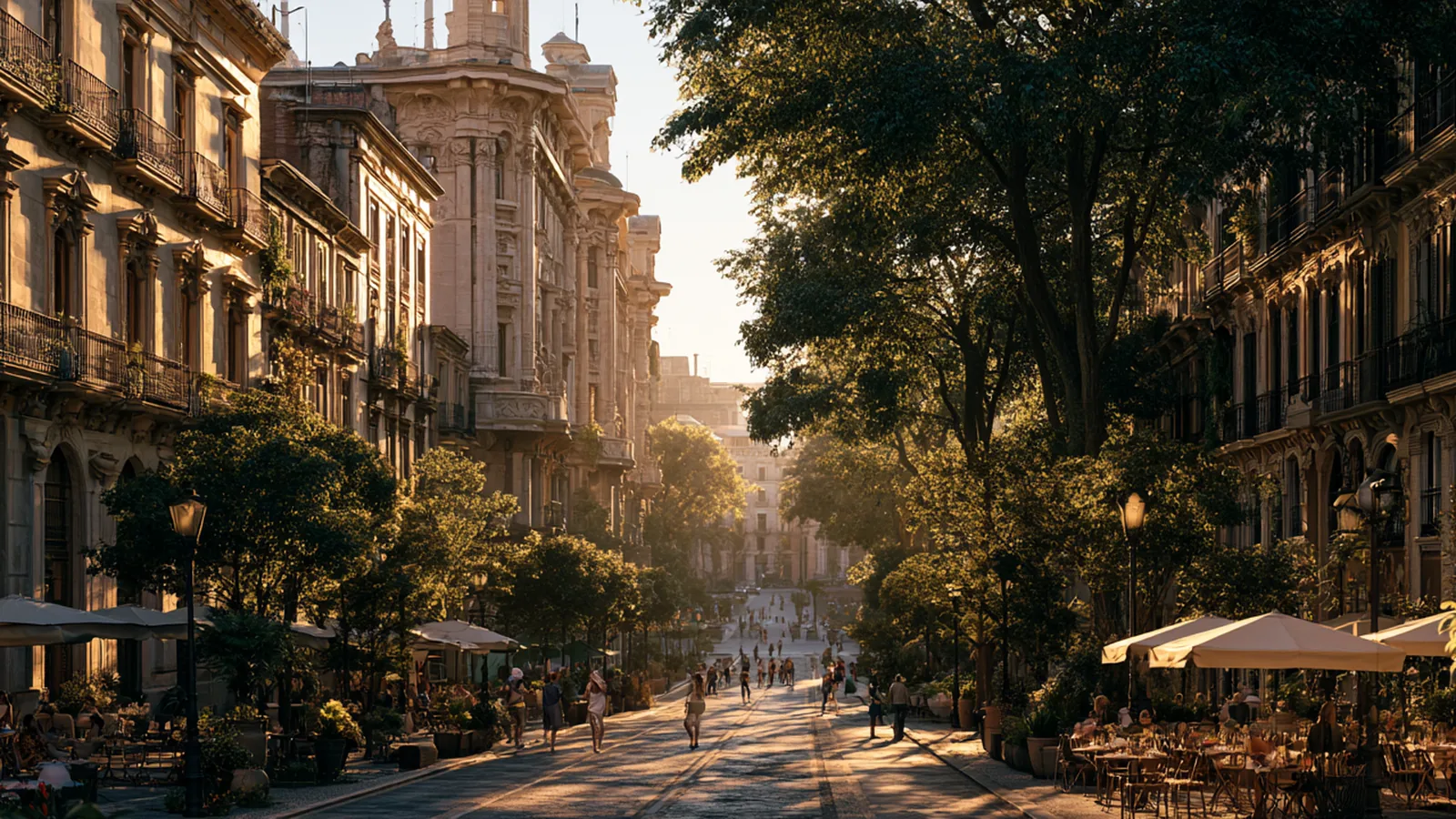
Cost of living
Madrid is expensive by Spanish standards but manageable compared to U.S. cities. A realistic monthly budget for a single remote worker living comfortably in a central neighborhood:
- Rent (1BR, furnished, central): €1,100–€1,700/month
- Groceries: €250–€380/month
- Dining out: €10–€18/lunch (menú del día), €25–€55/dinner
- Metro monthly pass (Abono Transporte): ~€30/month (Zone A)
- Health insurance (DNV-qualifying): €80–€150/month
- Coworking desk: €150–€280/month
- Total estimate (comfortable single): €2,000–€2,800/month
The Beckham calculator helps you see what your net income looks like in Madrid under Spain’s 24% flat tax. Many U.S. remote workers earning $80k–$120k find their total tax + cost-of-living picture in Madrid is comparable to or better than their U.S. city, especially those coming from high-tax, high-rent metros like NYC, SF, or Austin.
Run your numbers
Gross-to-Net Salary Calculator
What your U.S. salary actually leaves in your pocket each month living in Spain.
Internet and coworking
Madrid has outstanding fiber infrastructure. Home internet runs €30–€55/month for gigabit symmetric fiber from Movistar, Orange, or Vodafone. Coworking is everywhere. WeWork has multiple locations, plus Spaces, Utopicus, and a dense network of independent spaces in Malasaña, Chueca, and the business districts around AZCA and the Castellana.

Climate: the honest version
Madrid is at 650 meters elevation, which makes its climate more extreme than the coast. Summers regularly hit 38–42°C (100–108°F) from late June through August. This is not Mediterranean warmth, it is serious continental heat. Winters are cold and crisp, with frost and occasional snow in January and February. Spring and autumn are excellent.
If you are temperature-sensitive, this matters more than it might seem from a distance. Most apartments and coworking spaces have AC and heating. It is not optional here. If you want mild year-round weather, Valencia and Málaga are more consistent. If you want a European capital with four real seasons and extraordinary cultural life, Madrid delivers.
Filing the Digital Nomad Visa from Madrid
The UGE is a single national unit that decides every in-Spain application, wherever the applicant lives. Its ~20 business day timeline is generally reliable.
If you are already in Madrid on tourist status, the same 90-day Schengen window applies. File with enough runway. I handle in-Spain applications for clients who want this route: fly to Madrid as a tourist, file with UGE, receive a 3-year TIE from day one without returning to the consulate.
Is Madrid right for you?
Madrid works best for people who want immersive Spanish life in a world-class city, are comfortable with weather extremes, and want the administrative simplicity of a monolingual Spanish environment. It is harder to “hide in English” here than in Barcelona, which is either a feature or a bug depending on your goals.
City choice does not affect your visa eligibility. Start with the free assessment regardless of where you plan to land.