Where to Live
Choose your Spanish city.
The Digital Nomad Visa works in any Spanish city. The one you choose determines your cost of living, your climate, how quickly you go local, and whether your kids are in a Spanish or bilingual school. These guides give you what the tourism sites do not: the practical, honest picture for someone moving there on a U.S. remote income.

Spain’s most cosmopolitan city: Mediterranean coast, world-class architecture, and a huge English-speaking expat community. The choice for people who want a genuinely international city and can absorb the cost.
- 1BR rent: €1,200–€2,200/mo
- Climate: Mediterranean, 300+ sunny days
- Language: Spanish + Catalan

Spain’s capital and largest city. More affordable than Barcelona, more Spanish than anywhere else, with a nightlife and food scene that runs on its own schedule. The choice for people who want to be at the center of things.
- 1BR rent: €1,000–€1,800/mo
- Climate: Continental, hot summers, cold winters
- Language: Spanish only

Spain’s most recommended city for Digital Nomad Visa holders: Mediterranean coast, excellent weather, mid-range costs, and quality of life that consistently outperforms expectations.
- 1BR rent: €800–€1,400/mo
- Climate: Mediterranean, very mild winters
- Language: Spanish + Valencian

The Costa del Sol’s capital has become Spain’s foremost digital nomad destination: the most remote-worker-friendly infrastructure in the country, warm winters, and beach access.
- 1BR rent: €800–€1,400/mo
- Climate: Semi-arid Mediterranean, 300+ sunny days
- Language: Spanish (Andalusian accent)

Spain’s most underrated city. Extraordinary food and culture, a genuinely Andalusian atmosphere, and a cost of living that makes the DNV income threshold go further than anywhere else.
- 1BR rent: €700–€1,100/mo
- Climate: Hot, 40°C+ summers, mild winters
- Language: Spanish (Andalusian)
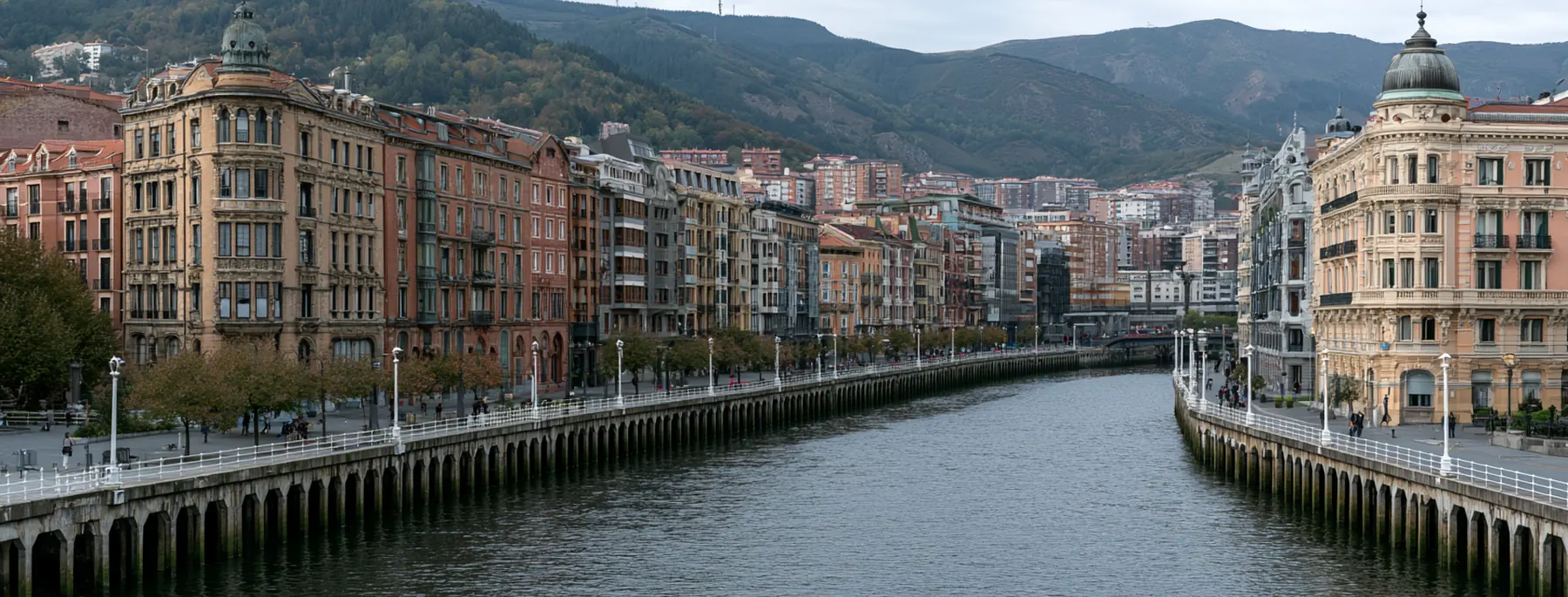
The Basque Country’s capital is compact, walkable, and punches well above its size in food, art, and urban quality. Atlantic climate means rain and greenery instead of Mediterranean sun.
- 1BR rent: €800–€1,200/mo
- Climate: Atlantic, mild and rainy year-round
- Language: Spanish + Basque (Euskera)
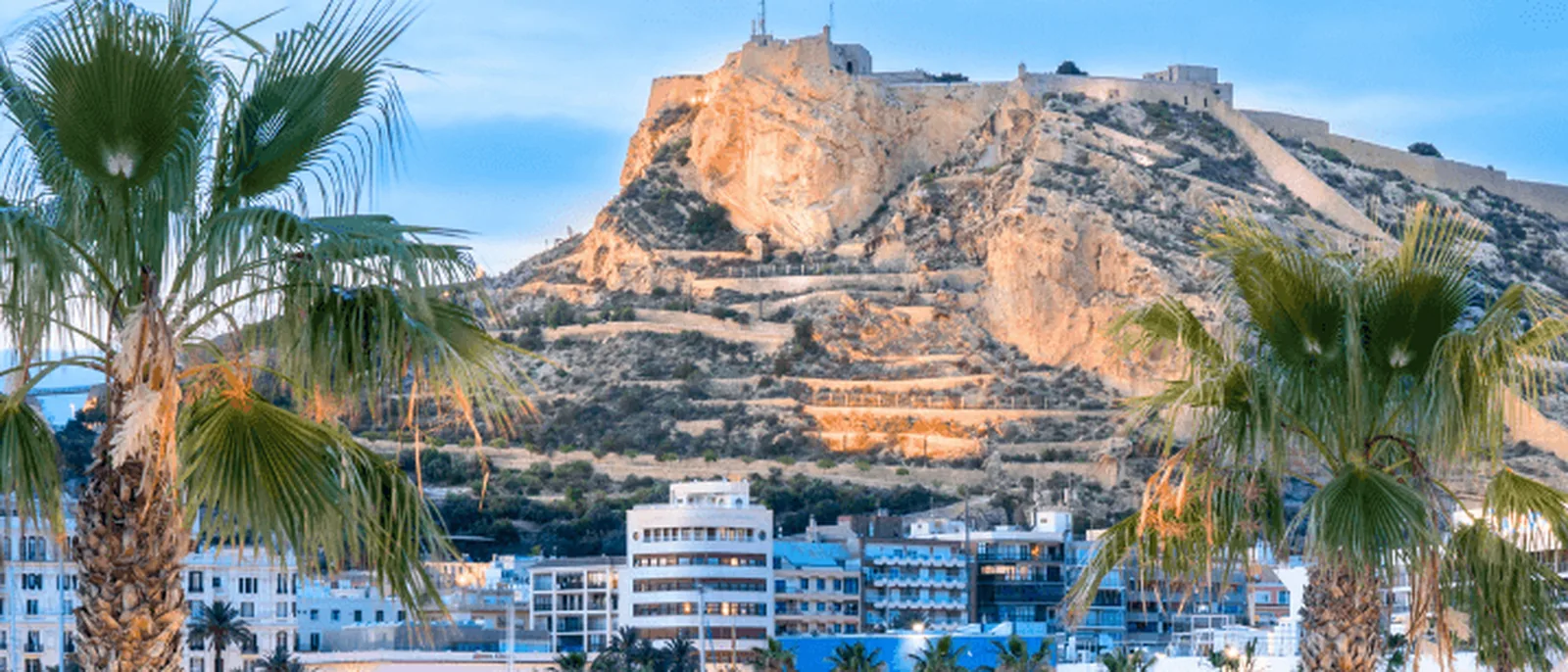
Spain’s most affordable Mediterranean coastal city. 320+ sunny days, beach access, and living costs low enough that the DNV income threshold leaves significant room to spare.
- 1BR rent: €550–€850/mo
- Climate: Semi-arid Mediterranean, 320+ sunny days
- Language: Spanish + Valencian; English widely spoken

A real city on an island: 420,000 people, a stunning historic center, the best weather in Spain on average, and a rapidly expanding remote-worker community.
- 1BR rent: €900–€1,500/mo
- Climate: Mediterranean, 300+ sunny days, mild winters
- Language: Spanish + Catalan (Mallorquí)

One of the most beautiful small cities in Europe: extraordinary food, a perfect bay, Atlantic climate, and a human scale that lets you know it completely within months.
- 1BR rent: €1,000–€1,800/mo
- Climate: Atlantic, mild, green, frequent rain
- Language: Spanish + Basque (Euskera)
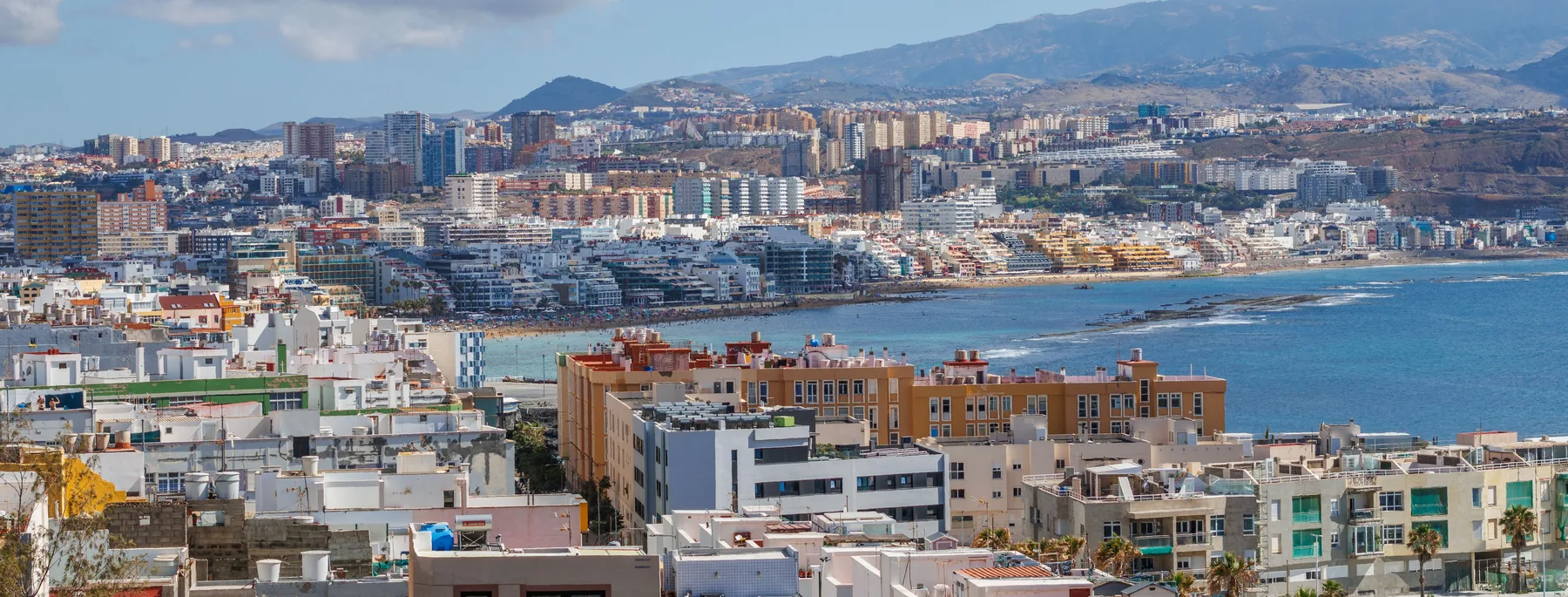
Regularly near the top of worldwide digital-nomad city rankings. A two-kilometre urban beach you can swim in year-round, 19–24°C every month, and a different tax system (IGIC 7%).
- 1BR rent: €700–€1,100/mo
- Climate: Eternal spring, 19–24°C year-round
- Tax: IGIC 7% instead of IVA 21%
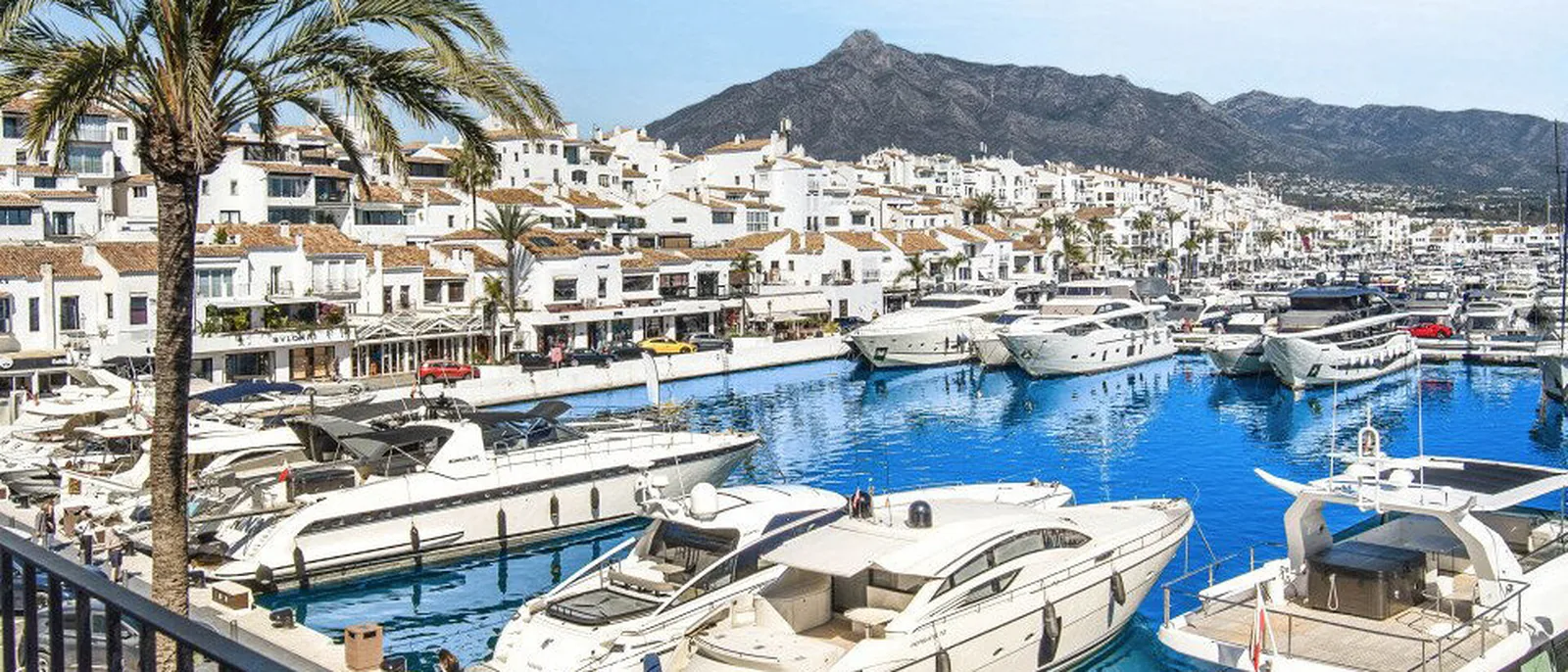
A 150,000-person city with 320 sunny days, the mildest winters on the Spanish mainland, an English-speaking infrastructure built over decades, and some of the best international schools on the Costa del Sol.
- 1BR rent: €900–€1,600/mo
- Climate: Semi-arid Mediterranean, 320+ sunny days
- Language: Spanish; English very widely spoken
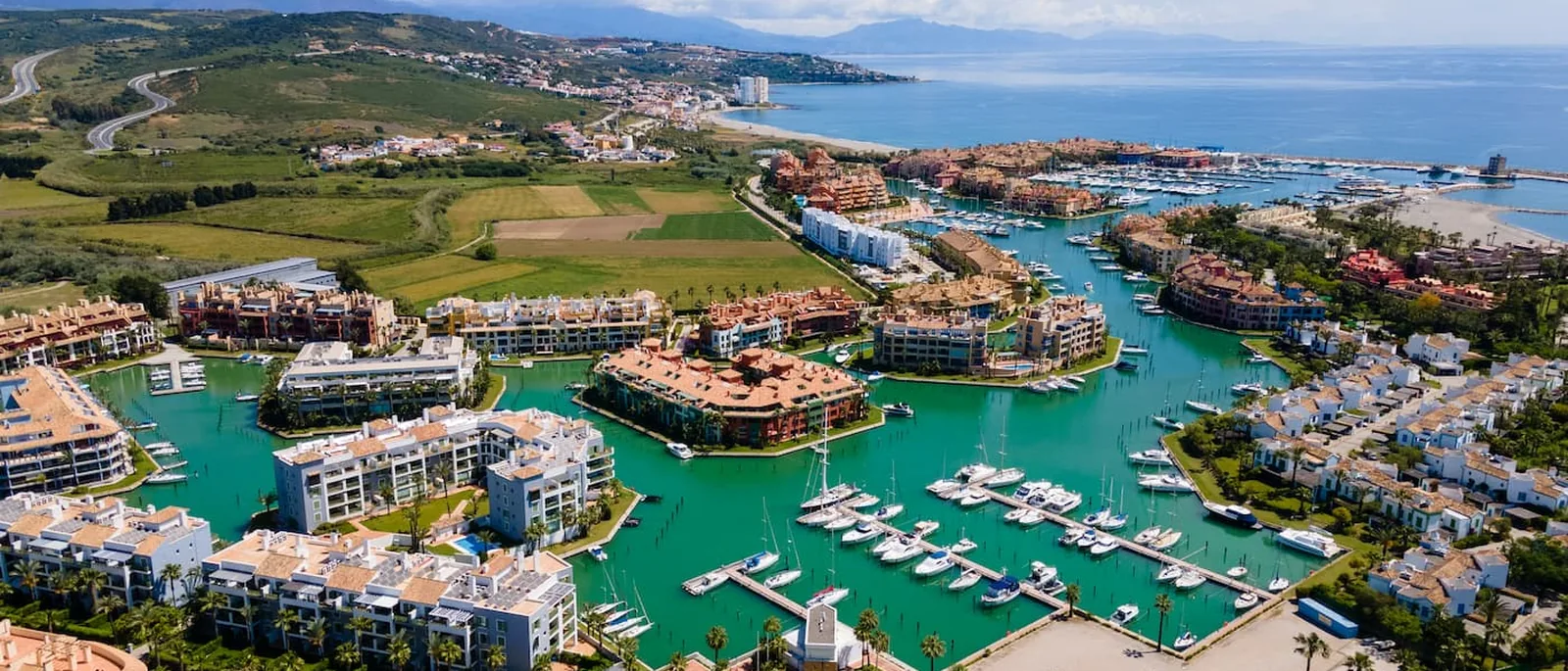
Spain’s most exclusive residential estate, built around polo fields, golf courses, and one of the country’s finest international schools. For families who have decided on Sotogrande International School.
- 3BR villa: €2,000–€3,500/mo
- Climate: Mediterranean with Atlantic influence
- SIS school fees: €15,000–€22,000/year
City choice doesn’t affect visa eligibility
The Digital Nomad Visa works exactly the same in every Spanish city. Every in-Spain application goes to the same national unit, the UGE. Your city decides your cost of living and which regional health service issues your tarjeta sanitaria. It does not change the requirements, the documents, or the likelihood of approval.
One exception: the Basque Country (Bilbao, San Sebastián) has its own provincial tax authorities, the Haciendas Forales. They run their own income tax, and the state Beckham Law does not apply there; Bizkaia and Gipuzkoa have their own regime for people who move in. If you are choosing one of those cities, ensure your gestor is familiar with the regional tax system.