Why U.S. remote workers choose Palma
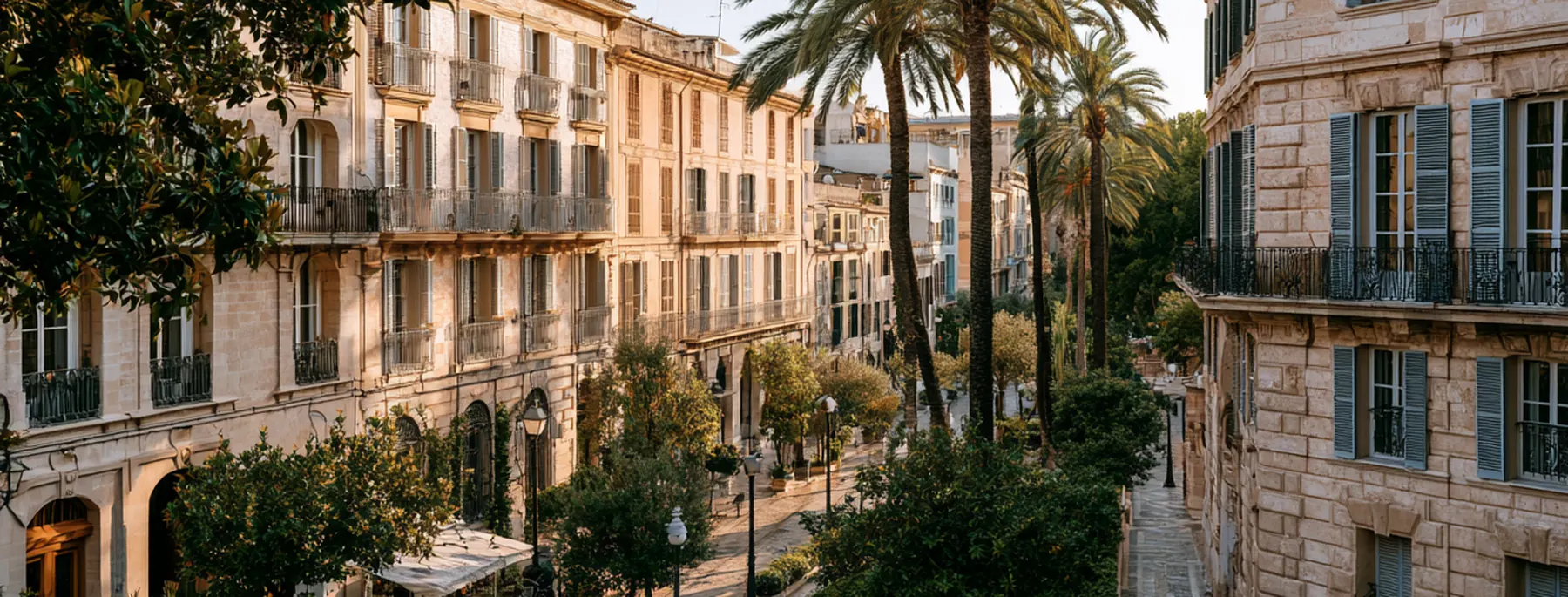
What makes Palma rare is the pairing of a real city with an island around it. You live in a real city (with hospitals, international schools, a functional transit system, a proper food market, a historic center that predates Columbus) but you are also on an island with 200 km of coastline, clear water, and countryside that is uncommonly beautiful. Living here and holidaying here are two different lives: residents end up with a relationship to Mallorca a tourist never gets close to.
The weather is the best argument. Palma has the most consistently pleasant climate in Spain: fewer extreme heat days than Seville or even Valencia, milder winters than Madrid, less rain than Bilbao or San Sebastián, and more sunshine than anywhere on the mainland. January average highs of 16°C, July highs in the 28–30°C range without the brutal heat of Andalusia. For people who cite climate as a primary factor in their relocation, Palma is the objective answer.
Since 2020 the remote-worker community here has swelled, so there is now a real crowd of people doing exactly what you would be doing, which turns out to be a genuinely useful network when you are sorting out the practicalities.
The tourist season: the honest version
July and August in Palma are intense. The population of the island roughly doubles. Traffic is bad. Popular beaches are crowded. Restaurants need reservations. Rents for apartments go up dramatically on short-term platforms. Property prices in tourist-facing neighborhoods reflect year-round demand from investors rather than local wages.
As a resident rather than a tourist, you learn to navigate this: you go to local beaches instead of the famous ones, you avoid tourist-district restaurants in peak season, and you appreciate the fact that by September the island returns to a much more livable rhythm. Mallorcans have adapted to the tourist economy over generations; new residents adapt too. The key is securing a long-term lease (12+ months) before you arrive so you are not caught in the short-term rental market in July.
Neighborhoods to know
- Santa Catalina: Palma’s most popular neighborhood for expats and remote workers, a former fishing quarter transformed into a genuinely excellent food and café scene, walkable to the historic center and the sea. Good rental supply at moderate prices. The top choice for most Digital Nomad Visa holders arriving in Palma.
- El Terreno / Jonquet: Adjacent to Santa Catalina, slightly more residential. Hillside views, local atmosphere, improving infrastructure. Slightly cheaper than Santa Catalina.
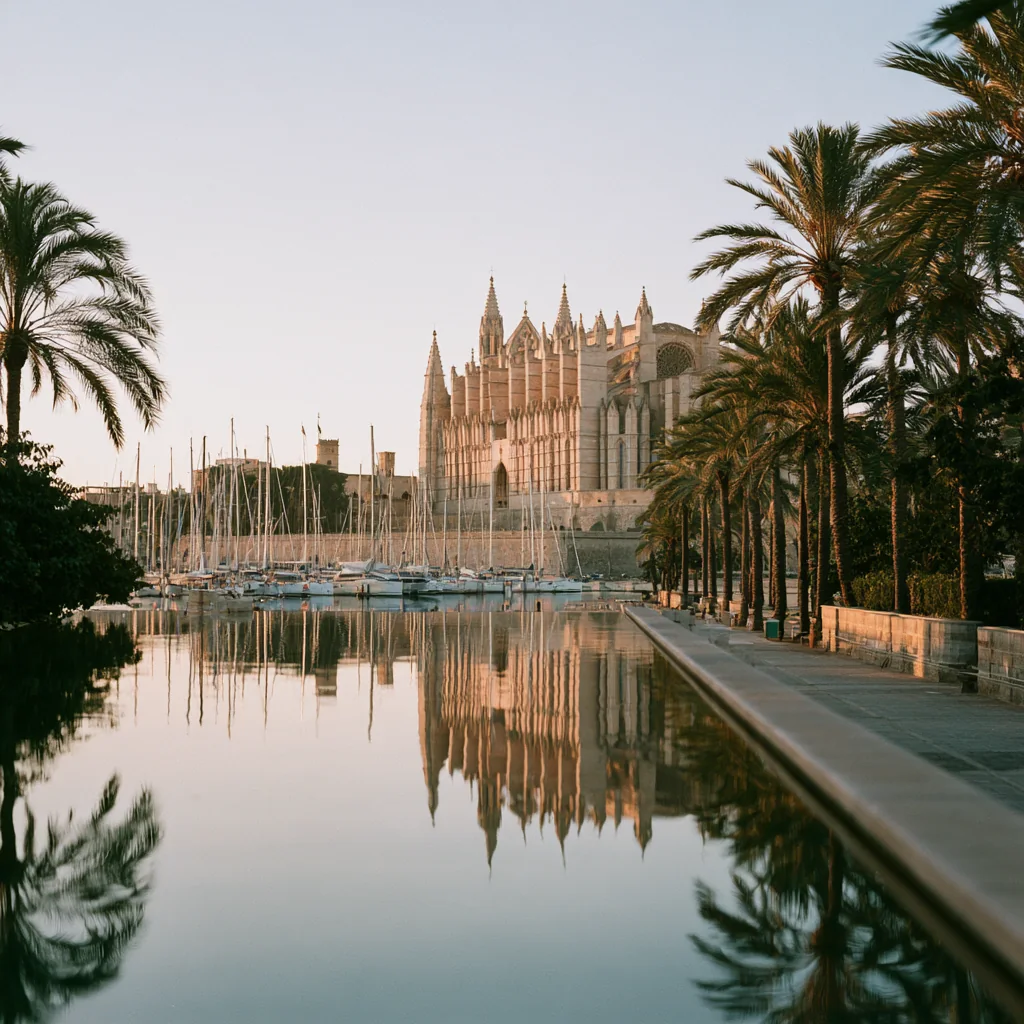
- La Lonja / Casco Antiguo: The historic center, Gothic architecture, the cathedral, the best preserved medieval city fabric in the Balearics. Small apartments, tourist traffic in season, expensive. Beautiful to visit; dense to live in full-time.
- Son Armadams / Son Espanyolet: Residential neighborhoods between the center and the western seafront. Good balance of price, quiet, and access. Family-friendly.
- Portixol / Molinar: Coastal neighborhood east of the center, a converted fishing harbor with excellent waterfront restaurants and a calm, local atmosphere. Growing expat presence, good coworking access, pleasant walking distance to the center.
- Establiments / Génova (hills): Quieter, more rural-feeling neighborhoods in the hills above Palma. Larger properties, more space, excellent views, car required. Popular with families who want space and countryside access.
Cost of living
Palma sits in the mid-to-high range for Spanish cities, more expensive than Valencia or Málaga, less expensive than Barcelona. Short-term tourist lettings have taken a real bite out of the long-term rental market here, thinning out supply and pushing prices up in the neighborhoods everyone wants. A realistic monthly budget for a single remote worker:
- Rent (1BR, furnished, Santa Catalina or similar): €900–€1,400/month on a 12-month lease
- Groceries: €250–€380/month (Mercadona, Lidl, local markets)
- Dining out: €10–€18/lunch, €30–€55/dinner
- Transport (bus + occasional car hire): €40–€80/month (bus network is limited; a scooter or bicycle is useful)
- Health insurance (DNV-qualifying): €80–€150/month
- Total estimate (comfortable single, in the city): €1,800–€2,600/month
Families will find 3-bedroom apartments in good residential neighborhoods for €1,500–€2,200/month on long-term leases, meaningfully more than Valencia or Málaga, but with an island lifestyle that is difficult to replicate elsewhere.
Run your numbers
Gross-to-Net Salary Calculator
What your U.S. salary actually leaves in your pocket each month living in Spain.
Getting around the island
Palma’s city bus network covers the urban area adequately. The rest of the island is car-dependent for most practical purposes, the train connects Palma to Inca and Sóller, but bus connections to most villages and beaches require either a car or significant planning. As a resident in Palma itself, you can live car-free; as someone who wants to explore the island regularly, a car or scooter is practical. Cycling has gotten a lot better in recent years, and the Passeig Marítim seafront path along the water is a pleasure to ride.
Internet and coworking
Fiber internet coverage in Palma is excellent: Movistar, Vodafone, and Orange all operate gigabit symmetric fiber at €30–€55/month. Rural and coastal areas of the island have more variable coverage; check before choosing accommodation outside the city. Coworking has taken off here too: Cocoworking, The Office Palma and a handful of independents, clustered mostly in Santa Catalina and the center.
International schools
Palma has a solid range of international schools reflecting its large expat population. The Baleares International College offers the International Baccalaureate; there are British-curriculum schools and several bilingual private options. Demand has grown with the expat influx. Confirm availability and waiting lists before committing, particularly for the IB and British-curriculum options.
The public school system teaches in Catalan (Mallorquí) as the primary language, with Spanish as a subject, identical to Catalonia’s structure. Families who want Spanish-medium public schooling have fewer options than in Andalusia or Madrid.
The property market
Mallorca has one of the most active property markets in Spain, driven by Northern European buyers purchasing second homes and investment properties. This has made buying as a first-time Digital Nomad Visa holder particularly challenging: prices in desirable areas are high, supply is competitive, and the market moves fast. Renting for the first 1–2 years is strongly advisable before considering any purchase. You need to understand the island’s neighborhoods, seasons, and rental dynamics from the inside.
Filing the Digital Nomad Visa from Palma
The Balearic Islands use the national AEAT tax system (not the Basque regional system). Your annual income tax is filed with the AEAT, and Beckham Law elections work through the standard national procedure. Applications from residents of the Balearics go to the same national unit as everyone else’s, the UGE, with the same documents and timeline.
Is Palma right for you?
Palma is right for people who genuinely want island life (not as a vacation, but as the daily fabric of where they live) can absorb above-average costs, and are willing to navigate the tourist season with equanimity. It is the right choice if the best weather in Spain, a beautiful historic city, and access to the Mediterranean matter more to you than urban scale or budget efficiency.
It is wrong if you need the depth of professional services available in Madrid or Barcelona, want to minimize cost, or would find the tourist-season intensity stressful rather than manageable.
Last updated: 27 September 2026.