The city that exists outside August
Most people’s Marbella reference point is either a holiday or a celebrity gossip item. Neither is useful for understanding what it is like to actually live and work there.
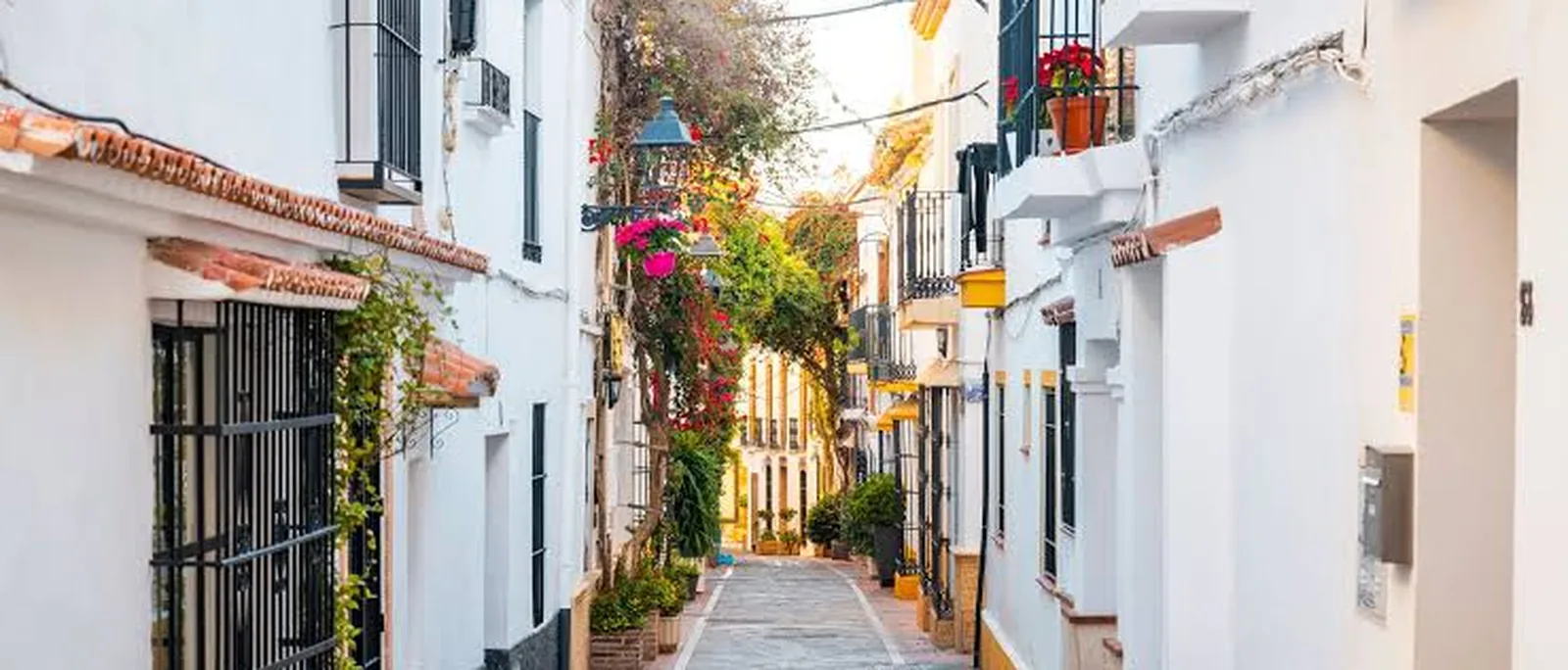
The Marbella that residents experience is a city with a functioning historic old town (the casco antiguo is quietly beautiful: whitewashed walls, orange trees, good independent restaurants), an extended coastal promenade, three large hospitals including the Hospital Costa del Sol, a cluster of some of Spain’s best international schools, and a professional infrastructure (lawyers, gestors, accountants, doctors with English fluency) that has been built up over decades of serving one of Spain’s largest foreign resident communities.
The climate is the mildest on the Spanish mainland. Marbella’s position at the foot of the Sierra Blanca, sheltered from north winds, keeps winter temperatures properly mild: average January highs of 17°C, with frost essentially unknown. Summers are warm but cooled by the sea breeze in a way that Seville or Córdoba, 150 km north, are not. It is a climate designed for outdoor life twelve months a year.
Who actually lives in Marbella
Marbella has one of Spain’s most internationally diverse permanent populations. British residents (many of them long-established, some second-generation) form the largest non-Spanish community. Scandinavians, Germans, Dutch, Russians, and an increasing number of Americans working remotely have built communities here over decades. The result is an English-speaking infrastructure that is rare in Spanish cities of this size: English-medium medical care, English-run professional services, English-language social networks that function without effort.
The recent arrivals are different from the older expat community. Digital Nomad Visa holders, remote workers for U.S. companies, and high-income freelancers are choosing Marbella for the climate, the infrastructure, and (honestly) the lifestyle that a good income supports here without the price pressure of Barcelona or Madrid. The city does not yet have the nomad-specific coworking ecosystem of Las Palmas or Málaga, but it has the residential infrastructure to support long-term remote work comfortably.
Neighborhoods and areas
- Casco Antiguo (Old Town): Marbella’s historic center, beautiful, walkable, excellent restaurants and bars. Small apartments, high demand, tourist traffic in summer. The most authentically Spanish part of the city.
- La Milla de Oro (Golden Mile): The stretch of coast between Marbella and Puerto Banús, luxury hotels, high-end residential complexes, the highest property prices. Beautiful if you can afford it; less relevant for most DNV holders.
- Nueva Andalucía: Behind Puerto Banús, golf courses, residential urbanizaciones, international schools. More suburban feel, car required, significantly more space per euro than the coast. Good for families.
- San Pedro de Alcántara: A proper Spanish town within the Marbella municipality, west along the coast. Much more affordable than Marbella itself, good local market, less tourist pressure. Growing expat community. Worth considering for people who want lower costs without leaving the area.
- Elviria / Las Chapas: East of Marbella, quieter, more residential, better value than the center. Good beaches, less tourist infrastructure.
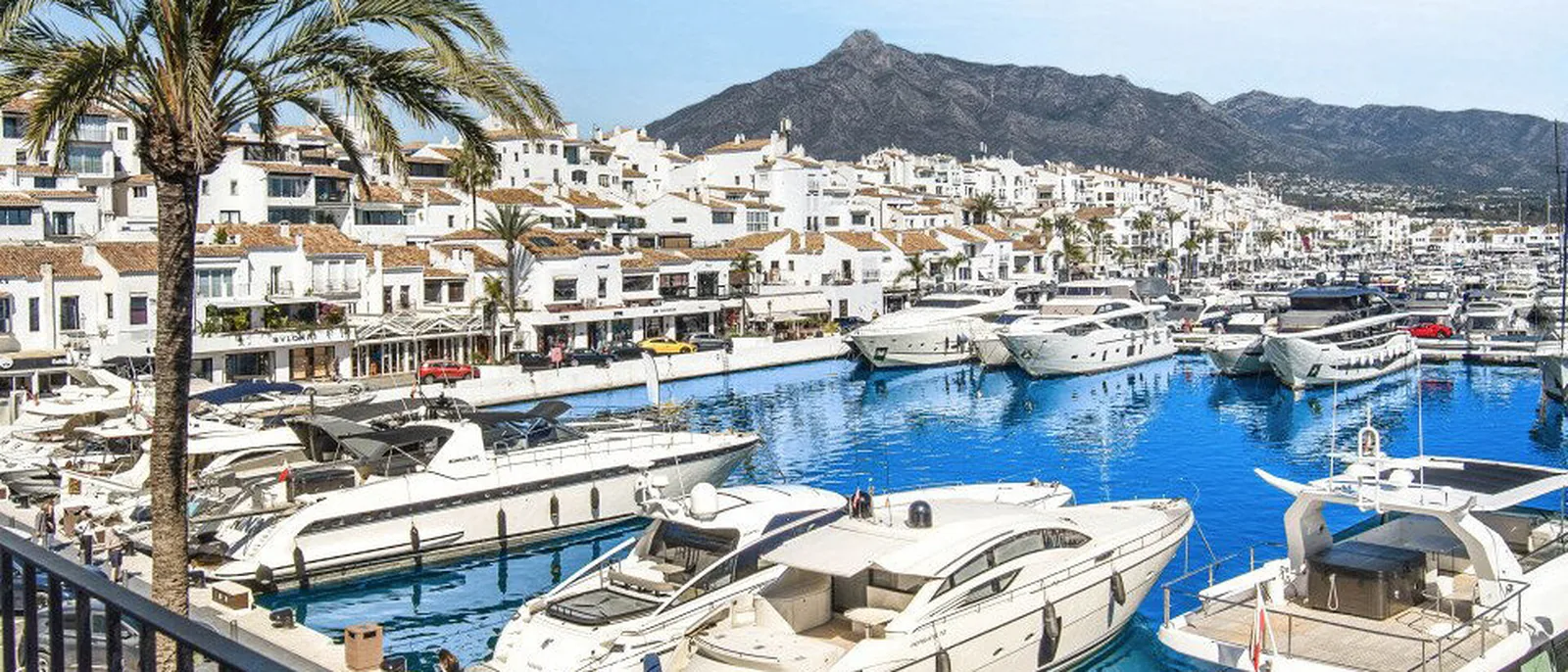
- Puerto Banús: The marina development that generates most of Marbella’s international reputation. Spectacular in its own way; not a neighborhood anyone lives in so much as a destination within the city.
International schools
This is one of Marbella’s genuine advantages for families. The concentration of quality international schools in the surrounding area is exceptional for a city of this size:
- Aloha College: British curriculum, A-levels, well-established, strong academic record. One of the reference points for international families choosing the Marbella area.
- Laude San Pedro International College: British curriculum, good reputation, slightly more affordable than Aloha.
- Deutsche Schule Málaga (nearby): For German-speaking families.
- Several IB schools in the wider Costa del Sol corridor.
Demand for international school places in Marbella consistently exceeds supply in the better-regarded schools. If schooling is a primary factor in your decision, contact schools before you finalize your timeline. Waitlists for September entry are real.
Cost of living
- Rent (1BR, furnished, good area): €900–€1,500/month; beachside properties command significant premiums
- Groceries: €250–€380/month (Mercadona, Lidl, and a good selection of international supermarkets)
- Dining out: €12–€20/lunch, €35–€65/dinner; the range is wide given the number of tourist-priced restaurants alongside properly local options
- Transport: Car near-essential; buses connect Marbella to Málaga and the Costa del Sol corridor but within the city and urbanizaciones, a car matters. €60–€100/month in fuel and running costs.
- Health insurance (DNV-qualifying): €80–€150/month
- Total estimate (comfortable single): €1,900–€2,800/month
Marbella is not cheap, but it is not as expensive as its reputation suggests for people who are not living in a beachfront villa. The combination of quality of life and cost is better than Barcelona by a significant margin.
Run your numbers
Gross-to-Net Salary Calculator
What your U.S. salary actually leaves in your pocket each month living in Spain.
The Málaga airport advantage
Málaga-Costa del Sol Airport is 45 minutes from Marbella by car and is the best-connected airport in Andalusia: direct routes to most major European cities, London, and increasingly U.S. connections. For remote workers who travel for work or to see family, the access is meaningfully better than cities further from an international hub.
Is Marbella right for you?
Marbella is right for people who want the best climate on the Spanish mainland, need quality international schools for their children, value an English-speaking professional infrastructure, and can afford costs that run above the Spanish average. It is particularly well-suited to families and to remote workers at the higher end of the income range who want to build a comfortable, unhurried life rather than a budget-optimized one.
It is wrong for people who want to immerse in Spanish culture quickly (the expat bubble here is real and comfortable, which is not always a virtue), need the professional services depth of Madrid or Barcelona, or are optimizing for cost.
Last updated: 27 September 2026.